Foster Care and the Homelessness Crisis
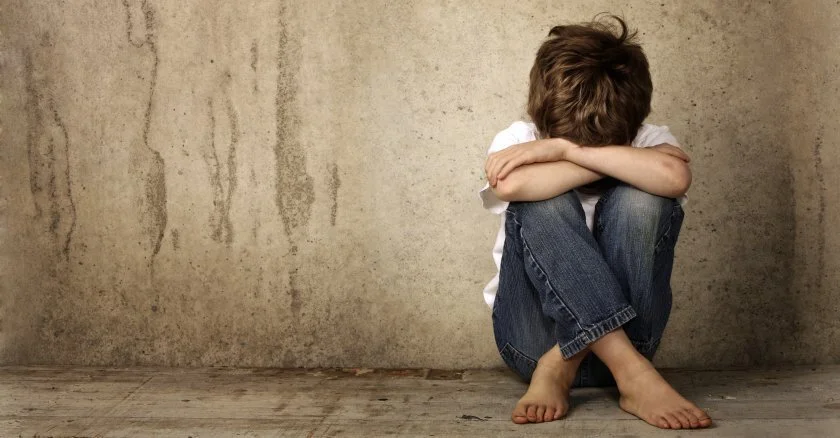
This month I want to explore a sector of homelessness we don’t think about when discussing the unhoused. Foster care is truly finding homes for children to live. That means these children are not going to have a place to sleep unless a family takes them in. They are also unable to care for themselves.
I live in the state of Kentucky and work within the foster care world. It wasn’t until this year that I truly put this link together - our biggest homelessness problem in America is actually kids. This year on Tirzah’s social media, we have been sharing the statistics of homelessness in each state. Last year, we shared the statistics for each state on the number of children in foster care. If you look at the numbers of foster care, I’m fairly confident they are not including those numbers in the “homelessness” population.
Recently, an article came out here in Kentucky addressing a state auditor’s concerns about children sleeping in places other than a foster family’s home. The reality is this is not new news. In the two years I’ve been here, an article has come out each year addressing this same issue. When I was going over a monthly foster care report, I started seeing a number that usually averaged around 800. I asked someone from Department of Child Services (DCBS) what this number was. We looked through the report and could only conclude that was the number of children in the state of Kentucky that were missing or sleeping in a social worker’s office.
What does it look like for a child who is removed from an unsafe home and is suddenly with a social worker? That is something I am passionate about communicating to people - because I’ve found the average person does not understand foster care. When a child is removed from their family home, an initial DCBS worker is going to look for the most appropriate house to place them in. The first look is going to be a safe, biological relative. Next, there is a term called “fictive kin”. Fictive kin is anybody the child already has in their community or life that will help keep them more stable. If these don’t work out, the state sends out a referral and the search for a certified foster family begins.
In the state of Kentucky, there are over 8,500 kids in foster care - and the number jumped this year again. There are not 8,500 foster families available to place children in homes. IF a foster family is not found, a child could go to a group home or residential facility. These are homes that usually specialize on very specific things - like age, behaviors, or trauma that has happened. The state laws differ for requirements for people opening a group home or residential facility.
I’ve talked to workers and, after this step, there have been kids sleeping in their social workers office. The youngest I’ve heard is the 3-year-old with hard behaviors that had been sleeping in a social worker’s office. Imagine being 3 years old and you sleep in an office on a cot. There is no shower and no kitchen. Workers switch out every four hours and they take you out in the community to get food or do fun things. Your life is constantly filled with people shifting through - who are already working very hard to try to help you and other children. This should really break our hearts in America that this is going on.
Most importantly, it should break the heart of the church. The workers are absolutely not to blame - and neither is a broken system. There is a lot of work that needs to be done to help keep families together - and to support workers who are trying to help these children and families. In addition, if we want to end the cycle of homelessness, we need to provide stable homes and families for children.
Next month, we will delve more into what it looks like inside of a home - for children versus adults. I’ve had the privilege of coming alongside and working with both in my lifetime. Next time you think of homelessness, I hope this reminds you to pray and consider how you can help these children. They don’t just exist in Kentucky - but in every state here in America.