Walking in the Fruit of the Spirit: A Guide to Christlike Character
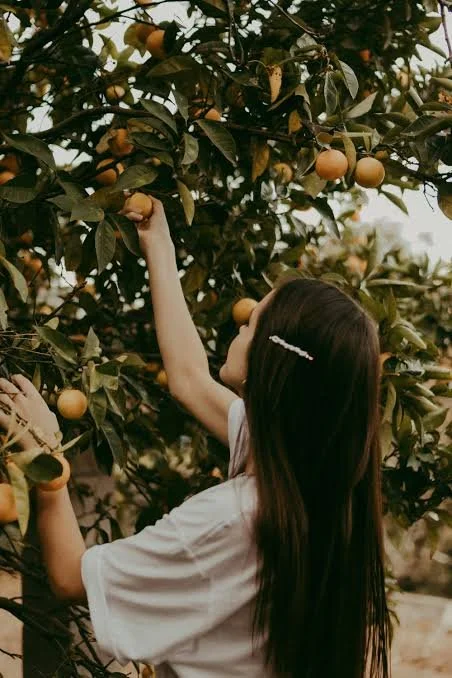
Every Christian desires to live a life that pleases God. However, true spiritual transformation is not about forcing ourselves to follow a checklist of rules. Instead, it is the natural result of the Holy Spirit working inside us. In his letter to the Galatians, the Apostle Paul describes this transformation as "the fruit of the Spirit."
When we surrender our lives to Christ, the Holy Spirit begins to reshape our character from the inside out, producing distinct qualities that reflect the heart of God.
The Foundation: Galatians 5:22-23
To understand how the Holy Spirit transforms us, we must look at the foundational scripture where these traits are listed:
"But the fruit of the Spirit is love, joy, peace, forbearance, kindness, goodness, faithfulness, gentleness and self-control. Against such things there is no law."
-Galatians 5:22-23 (NIV)
Notice that Paul uses the singular word "fruit," not the plural "fruits." This indicates that the fruit of the Spirit is a single, unified whole. Think of it like an orange with nine different segments. As you grow closer to God, the Holy Spirit develops all of these traits together, shaping you into the image of Jesus.
Key Points of the Fruit of the Spirit
To better understand how this fruit manifests in our daily walk with God, we can look at the nine traits through three distinct dimensions: our relationship with God, our relationship with others, and our inner discipline.
1. Upward Fruits: Our Relationship with God
The first three traits flow directly from our connection to our Heavenly Father. When we rest in His presence, He fills our hearts with qualities that circumstances cannot steal.
Love (Agape): This is the unconditional, sacrificial love that God shows us. It seeks the highest good of others without expecting anything in return.
Scripture:
“Dear friends, let us love one another, for love comes from God. Everyone who loves has been born of God and knows God."
-1 John 4:7
Joy: Unlike happiness, which depends on good circumstances, biblical joy is a deep, abiding gladness rooted in the unchanging promises of God and our eternal salvation.
Scripture:
"Though you have not seen him, you love him; and even though you do not see him now, you believe in him and are filled with an inexpressible and glorious joy."
-1 Peter 1:8
Peace: This is the internal tranquility and calmness that comes from trusting God, regardless of the chaos, trials, or storms surrounding our lives.
Scripture:
"Peace I leave with you; my peace I give you. I do not give to you as the world gives. Do not let your hearts be troubled and do not be afraid."
-John 14:27
2. Outward Fruits: Our Relationship with Others
The next three traits influence how we treat the people around us. They transform our relationships, allowing us to display Christ's love to a broken world.
Forbearance (Patience): This is the ability to endure difficult people, challenging situations, and delays without becoming angry, resentful, or prone to complaining.
Scripture:
"Be completely humble and gentle; be patient, bearing with one another in love."
-Ephesians 4:2
Kindness: This is a spirit of benevolence and generosity in action. It is the decision to treat others with sweetness, warmth, and genuine care.
Scripture:
"Be kind and compassionate to one another, forgiving each other, just as in Christ God forgave you."
-Ephesians 4:32
Goodness: This is moral purity and righteousness in action. It means actively doing what is right, honorable, and helpful for the benefit of others.
Scripture:
"For the fruit of the light consists in all goodness, righteousness and truth."
-Ephesians 5:9
3. Inward Fruits: Our Christian Discipline
The final three traits reflect the internal strengthening of our own character, helping us stay steady, humble, and anchored in our faith.
Faithfulness: This means being reliable, trustworthy, and fiercely loyal to God and to our commitments, even when remaining loyal requires personal sacrifice.
Scripture:
"His master replied, ‘Well done, good and faithful servant! You have been faithful with a few things; I will put you in charge of many things. Come and share your master’s happiness!’"
-Matthew 25:23
Gentleness: This is not weakness; rather, it is power under control. It is a spirit of humility and meekness that refuses to be arrogant, harsh, or demanding toward others.
Scripture:
"Let your gentleness be evident to all. The Lord is near."
-Philippians 4:5
Self-Control: This is the ability to master our physical desires, emotions, and impulses through the power of the Holy Spirit, rather than letting our flesh rule over us.
Scripture:
"For the Spirit God gave us does not make us timid, but gives us power, love and self-discipline."
-2 Timothy 1:7
How to Bear Spiritual Fruit
We cannot produce this spiritual fruit through sheer willpower or human effort alone. Just as a branch cannot produce fruit on its own, we cannot produce Godliness apart from a vibrant relationship with Jesus Christ.
Jesus gave us the exact blueprint for bearing fruit in the Gospel of John:
"Remain in me, as I also remain in you. No branch can bear fruit by itself; it must remain in the vine. Neither can you bear fruit unless you remain in me. I am the vine; you are the branches. If you remain in me and I in you, you will bear much fruit; apart from me you can do nothing."
-John 15:4-5
To "remain" or "abide" in Jesus means to cultivate a daily relationship with Him. We do this by spending consistent time in prayer, studying His Word, worshipping Him, and obeying His promptings. As we consciously stay connected to the Vine, the Holy Spirit naturally flows through us, producing beautiful, lasting fruit that brings glory to God.
Here are some rejection questions you can ask yourself:
Defining Love: In what ways does agape (sacrificial love) differ from the world's definition of love, and how can you show this type of love to someone who is hard to love this week?
Choosing Joy: Think about a recent trial you faced. How can you actively choose biblical joy even when your current circumstances are difficult or stressful?
Guarding Peace: What specific worries or anxieties are currently threatening your internal peace, and how can you practically hand them over to God today?
Outward Fruits: Forbearance, Kindness, and Goodness
Testing Forbearance: In which areas of your life (e.g., family, workplace, traffic) is your patience tested the most, and how can you invite the Holy Spirit into those specific moments?
Intentional Kindness: Looking back at your past week, can you identify a moment where you chose to show genuine kindness to someone when it wasn't convenient for you?
Living Goodness: What is the difference between simply "being a good person" by society's standards and actively pursuing biblical goodness that honors God?
Inward Fruits: Faithfulness, Gentleness, and Self-Control
Evaluating Faithfulness: Where is God calling you to be more consistent, reliable, or faithful right now—whether in your personal spiritual habits, your church, or your relationships?
Practicing Gentleness: How do you typically respond when someone corrects you or disagrees with you? Does your response reflect a spirit of gentleness or defensiveness?
Exercising Self-Control: Which physical desires, emotions, or impulses (such as anger, social media usage, or spending habits) require the most self-control in your life right now?
Action Steps for the Upward Fruits
Love: Identify one person in your life who drains your energy or tests your limits. Commit to doing one anonymous act of service or kindness for them this week.
Joy: Start a daily gratitude list. Write down three specific things you are thankful for every morning, focusing on God’s character rather than your changing circumstances.
Peace: Turn off background noise. Dedicate your morning commute or your evening chores to total silence or worship music, leaving space to listen to God’s still, small voice.
Action Steps for the Outward Fruits
Forbearance (Patience): Practice the "10-Second Rule." When someone cuts you off, interrupts you, or frustrates you, pause and count to 10 silently before you speak or react.
Kindness: Send one encouraging text message every single day. Text a friend, coworker, or family member just to tell them something you appreciate about them.
Goodness: Stand up for what is right when it is uncomfortable. Refuse to participate in office gossip or negative conversations, and gently steer the topic toward something positive.
Action Steps for the Inward Fruits
Faithfulness: Audit your commitments. If you have promised someone you would pray for them, do something for them, or serve somewhere, follow through on it this week without complaining.
Gentleness: Monitor your tone of voice. When you are correcting your children, speaking to a spouse, or replying to an email, make a conscious effort to lower your volume and soften your words.
Self-Control: Create a boundary around your biggest temptation. If it is social media, set an app timer; if it is spending, leave your credit cards at home and use cash; if it is anger, walk out of the room until you calm down.