Homelessness and Housing for Adults
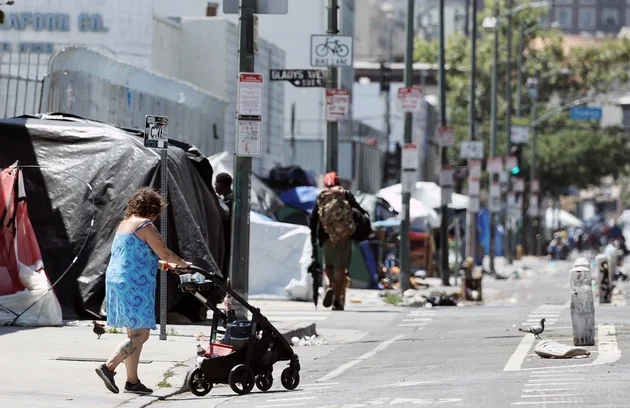
Last month, we looked at how foster care is where the homeless children end up. Next month, we’ll delve into the process and different options for children in foster care in the United States. For today, I wanted to shift back into adults to lay the groundwork for longer term housing for those who are homeless of all ages.
Maybe you have wondered if you should shelter someone or their family. Questioned whether or not you are qualified. The reality is there are options for specialized care that some people need. We talked, previously, about how people in emergency needs with little other problems (besides money and housing) in their lives struggle to find housing.
However, there is another set of people. These are people who have found themselves in constant cycles that have led to them needing help breaking those cycles before they are able to rent or own a house of their own. Problems could be - aging out of foster care, battling addiction, coming out of human trafficking, or even recently being released from jail.
People who have come from generational patterns of trauma or very hard lifestyles need specialized care. Putting these people into your own home may not give the specialized training they need - if you don’t have the tools. The most loving thing to do is help someone get to a place where they can learn healthy housing and life habits.
Typically, that comes in several different options - group homes or residential treatment centers being the most common. These two types of housing are different than emergency housing. Group homes and residential treatment centers both specialize in certain topics and work on helping those individuals reach their full potential. I’m going to break this down using human trafficking as an example.
I’ve been on the Board of an organization called Inner Beauty Center that helps human trafficking victims in Milwaukee. The process for this center is to love on women who are human trafficking victims and may not feel ready to leave that lifestyle yet. They love on these ladies and, sometimes, those women (or men) come to them ready to potentially leave. From there, the center connects them to emergency, temporary housing.
For human trafficking victims, they are known for going back to their traffickers multiple times before finding freedom. This is due to severe and significant emotional and physical abuse. That means there are temporary shelters that provide the opportunity to sleep safe for a night. There comes a point where some women or men are ready for long - term change, however.
That change requires undoing years of abuse in someone’s body and mind. This requires specialized care like the place I had the privilege of working at for a season with my friend, Krista. She founded Redeem & Restore - a group home dedicated to helping these women break free long - term. There are specialized classes and schedules for every day of the week.
A group home means she has more discretion on who she allows into the home and how she chooses who comes into the home. By being a group home, Krista has chosen Wisconsin’s state laws to build her home under group home regulations. Through this, she is ensuring those women are receiving the proper care they need for long - term success. However, Krista could also have chosen to go the residential treatment center route.
There are currently no homes for adult trafficking victims in Wisconsin that are residential. In a residential setting, rules tend to be stricter and a court could order a victim to go to the home to be rehabilitated. In the adolescent world, a residential home is where children who have struggled everywhere else tends to go. The craziest part is there are different state regulations for each type of home.
In other words, if you want to help a trafficking victim or other homeless person - the process looks different in each state. If you were to try and open a group home in Kentucky versus Wisconsin, you may find the state statutes vary. The same thing happens with residential homes. That makes it very hard to open these homes.
There are so many youth and adults with specialized problems and generational cycles that need help. America’s system is very broken - at every level - and makes it very difficult to help those in need. It is important to understand that the right thing to do is do your best to work within systems to reach the homeless who need help.
Next month, we’ll talk again about the foster care system and how this same system of residential, group, and individual homes applies to the lives of children. There are so many laws around housing people that it can be very confusing to navigate. I hope this gives you a little glimpse and guidance into what that looks like and encourages you to dig deeper into how you can help.